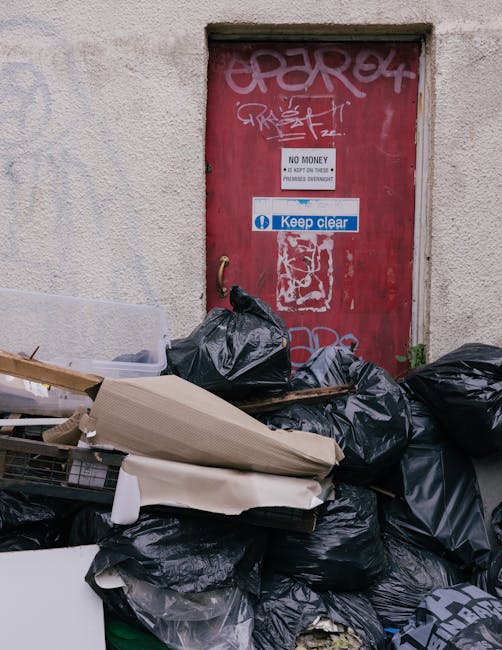
Commercial rubbish collection West Hampstead North West London
If you run a business in West Hampstead, rubbish has a habit of arriving quietly and then taking over. One week it is cardboard from deliveries, next it is old office chairs, broken shelving, packaging, builders' debris, or the after-effects of a stockroom clear-out that somehow turned into a mini mountain. Commercial rubbish collection West Hampstead North West London is the straightforward, local way to keep that mess under control without disrupting the working day.
This guide explains what commercial rubbish collection actually involves, who needs it, how the process usually works, and what to look for before you book. It also covers practical compliance points, common mistakes, and a realistic comparison of collection methods so you can make a sensible decision. No fluff. Just the sort of detail that helps when the bins are full and the back door is blocked.
Table of Contents
- Why Commercial rubbish collection West Hampstead North West London Matters
- How Commercial rubbish collection West Hampstead North West London Works
- Key Benefits and Practical Advantages
- Who This Is For and When It Makes Sense
- Step-by-Step Guidance
- Expert Tips for Better Results
- Common Mistakes to Avoid
- Tools, Resources and Recommendations
- Law, Compliance, Standards, or Best Practice
- Options, Methods, or Comparison Table
- Case Study or Real-World Example
- Practical Checklist
- Conclusion
- Frequently Asked Questions
Why Commercial rubbish collection West Hampstead North West London Matters
Commercial waste is different from household rubbish in more ways than people expect. It is generated by a business, so it often comes in larger quantities, includes mixed materials, and needs a more disciplined approach to sorting, storage, and removal. A cafe's daily food packaging, a small agency's old monitors, or a shop refit's waste timber are all common examples. If left unmanaged, they quickly start affecting workflow, presentation, and even safety.
In a place like West Hampstead, where premises can be compact and access can be a bit of a juggle, the practical side matters even more. Narrow entrances, shared yards, basement storage, time-limited loading, and busy foot traffic all shape how rubbish collection needs to happen. You do not just want waste removed. You want it removed cleanly, on time, and without turning the pavement into a scene from a bad Monday morning.
The other reason this matters is reputation. Customers notice clutter. Staff notice it too. A tidy workspace tends to feel calmer, more professional, and safer. That matters whether you run a salon, a restaurant, a clinic, an office, a retail unit, or a light industrial workspace. And to be fair, nobody wants to open the shutters to a pile of unwanted packaging and wonder where the day went wrong.
There is also the operational side. Reliable commercial rubbish collection keeps stockrooms usable, fire exits clear, and back-of-house areas manageable. It can reduce trip hazards, make cleaning easier, and stop waste from becoming a weekly crisis instead of a routine task. That alone can save time and stress.
Expert summary: The best commercial waste setup is not usually the biggest one. It is the one that fits your waste type, access constraints, collection frequency, and business rhythm without creating extra admin.
For businesses that also need broader support, it can help to think in terms of a wider service cluster rather than a single collection. For example, some businesses combine commercial rubbish removal with business waste collection, rubbish collection, or even occasional waste clearance when there is a bigger one-off clear-out.
How Commercial rubbish collection West Hampstead North West London Works
Most commercial collections follow a simple pattern, though the details vary by waste type and access. A business identifies what needs removing, requests a quote or booking, and arranges a suitable time. The collection team then arrives, assesses access and volume, loads the waste, and takes it away for sorting, recycling, transfer, or disposal as appropriate.
That sounds simple. In practice, the quality of the service often comes down to the preparation. A mixed load of old desks, loose paper, cardboard, broken fixtures, and bagged rubbish is much easier to handle if it is grouped sensibly before collection. If everything is scattered across a basement, a yard, and a rear alley, the team may need longer on site. Not a drama, but it changes the job.
Commercial waste services can cover a wide range of items. Depending on the business, that might include:
- office waste such as paper, packaging, chairs, and shelving
- retail waste such as display units, cardboard, and damaged stock packaging
- hospitality waste such as sacks of general rubbish, out-of-use fixtures, and old fittings
- builder's waste from refurbishments or fit-outs
- bulky items like furniture, sofas, and counters
If the job is more specialised, it may make sense to look at related services. A shop refurbishment might need builders waste support, while a workplace spring clean could be paired with office clearance or rubbish removal. For bulkier furnishings, furniture disposal is often the cleaner route.
Good providers usually give some guidance on what they can and cannot take, how to present waste, and whether a single collection or multiple visits makes more sense. That guidance matters. It saves time, but it also helps avoid awkward surprises on collection day. Nobody wants to discover at the kerb that the load is not ready, or that the lift is too small for the item. Happens more often than people admit.
Key Benefits and Practical Advantages
There are some obvious benefits to arranging commercial rubbish collection, but the most useful ones are often the day-to-day improvements that business owners feel rather than list on paper.
- Cleaner premises: Reduced clutter makes your workspace easier to manage and more presentable.
- Better safety: Less waste means fewer trip hazards, blocked exits, and awkward storage piles.
- More usable space: Backrooms, stock areas, yards, and office corners become functional again.
- Less staff disruption: Waste is removed efficiently instead of being managed in-house for days.
- Improved customer impression: A tidy exterior and interior usually feel more trustworthy.
- Flexibility: Collections can often be tailored around opening hours, access restrictions, or busy periods.
There is also a quieter but valuable benefit: mental breathing room. It is easier to run a business when the waste problem is not hanging over you. A cluttered loading bay or stockroom has a way of sitting in your head all day. Remove that pressure, and things often feel more under control straight away.
For many businesses, the real advantage is not a dramatic transformation. It is consistency. A routine collection schedule means fewer emergencies and fewer last-minute scrambles. If you have ever had to shift boxes to reach a fuse box, then you already know the kind of annoyance we are talking about.
Who This Is For and When It Makes Sense
Commercial rubbish collection makes sense for any business that generates waste beyond the ordinary household level, or any business that needs regular, reliable removal without depending on ad hoc solutions. In West Hampstead, that tends to include a mix of independent traders, small offices, landlords, contractors, and hospitality businesses.
Common situations include:
- an office clearing out broken chairs, packaging, and obsolete equipment
- a retail shop replacing shelving and needing old fixtures removed
- a restaurant or cafe handling large volumes of packaging and general rubbish
- a landlord or managing agent dealing with left-behind waste after a move-out
- a tradesperson looking for a tidy finish after a small refurbishment
It also makes sense for businesses that do not generate enough waste for a complex contract but still need more than the occasional bin day. A small studio, for example, may only need a one-off removal after a deep clean. A busy salon, on the other hand, may benefit from regular collection because the waste stream is repetitive and predictable.
Some businesses also need adjacent services. If the waste comes from a flat above a shop, flat clearance may be relevant. If you are dealing with old units in a garage area or storage room, garage clearance can be the better fit. And if the job involves outdoor overgrowth or landscaping debris, garden clearance can keep the project moving.
Truth be told, it makes sense any time the waste is too awkward, too bulky, too frequent, or too embarrassing to leave sitting around. That last one is more common than people think.
Step-by-Step Guidance
If you want a collection to go smoothly, a little preparation goes a long way. Here is a practical way to approach it.
- Identify the waste type. Separate general rubbish, cardboard, furniture, fixtures, builders' debris, and anything that may need special handling.
- Estimate the volume. A rough idea of bag count, item size, and access conditions usually helps much more than guessing in vague terms.
- Check access. Think about parking, stairs, lifts, narrow corridors, loading bays, and whether anything needs dismantling.
- Clear the waste area. Move items together if possible so collection is quicker and safer.
- Confirm timing. Pick a slot that suits your trading hours, delivery windows, and staff availability.
- Ask about sorting and handling. Knowing whether materials will be recycled, reused, or disposed of can help you plan better.
- Keep records. If you are a business, make sure you understand what paperwork or proof of collection you need to retain.
If you are dealing with bulky furniture or damaged seating, it can be worth combining the job with sofa removal or a broader waste removal visit. That avoids paying for the same access and loading effort twice. Sensible, really.
One useful habit is to label the items that must stay and the items that can go. A quick note on a box or a taped sign on a stack can prevent accidental removals. Small thing, big relief.
Expert Tips for Better Results
A few small decisions can make a commercial rubbish collection noticeably smoother. These are the details that experienced businesses tend to get right.
- Group similar materials together. Cardboard with cardboard, metal with metal, furniture with furniture. It speeds up loading and can improve recycling outcomes.
- Break down what safely can be broken down. Flat-pack boxes, dismantled shelving, and separated components are easier to move than one oversized lump.
- Use the right service for the job. Office clear-outs, builder's waste, and general rubbish are related, but not identical. Matching the service to the waste saves time and confusion.
- Be realistic about access. If the lift is tiny or the rear alley is tight, say so up front. It helps planning and avoids delays.
- Schedule before peak clutter builds up. A little earlier is usually easier than waiting until the stockroom becomes unusable.
- Think about future waste, not only today's pile. If you have recurring packaging or delivery waste, ask whether a regular collection pattern would suit you better.
One more thing: do not underestimate the value of a tidy staging area. If the collection team can reach everything without moving three other things first, the whole job tends to feel calmer. Simple, but real.
Some businesses also underestimate mixed-use premises. If your waste includes a bit of everything, a combination of rubbish clearance, waste collection, and targeted disposal of furniture or fit-out material can be the neatest option.
Common Mistakes to Avoid
Commercial rubbish collection is straightforward when it is planned properly, but a few avoidable mistakes can create delays or extra cost.
- Leaving waste mixed and unprepared. If items are scattered, the loading time rises and the job becomes more awkward.
- Underestimating volume. A couple of extra bags may not sound like much, until they are all wet, heavy, and wedged behind a counter.
- Forgetting access restrictions. Parking issues, narrow stairwells, shared entrances, and time limits all matter.
- Not separating special items. Furniture, builders' debris, and general waste are not always handled in the same way.
- Leaving it too late. Once rubbish starts affecting staff movement or customer view, the problem is already costing you.
- Choosing purely on price. The cheapest option is not always the smoothest, especially if the provider is not suited to your premises or waste type.
Another mistake is assuming the same setup works forever. Businesses change. You get more deliveries, take on a refit, add new equipment, or shift how you use space. Waste patterns change too. A service that worked six months ago may now be too small, too infrequent, or just plain clunky.
A quick story, very ordinary but familiar: a small office in a side street had been stacking broken chairs in one corner for weeks. By the time they booked removal, the pile had grown into a wobbling obstacle course. The team could still work, of course, but every lunch break involved that little sideways shuffle around the chairs. Once cleared, the room immediately felt bigger. Not glamorous, just better. That is often how it goes.
Tools, Resources and Recommendations
You do not need a lot of equipment to manage commercial waste well, but a few simple tools can help.
- Heavy-duty sacks or bins: Useful for keeping loose waste contained and easier to lift.
- Labels or tape: Handy for marking keep, remove, recycle, or fragile items.
- Basic dismantling tools: A screwdriver or hex key can make furniture and shelving easier to move.
- Measuring tape: Helpful if you need to check whether bulky items will fit through doors or down corridors.
- Floor protection: Cardboard sheets or mats can help protect shared entrances during staging.
On the service side, it helps to think about the wider range of support available. For recurring operations, waste disposal can sit alongside collection. For more general ongoing needs, waste removal may be the better umbrella term to explore. If the waste is seasonal or tied to a specific project, then a one-off clearance is often enough.
Also useful: a simple internal waste log. Nothing fancy. Just a note of when waste builds up, what type it is, and how often it needs removing. After a month or two you start to see patterns, and that makes planning easier. Bit old-school maybe, but it works.
Law, Compliance, Standards, or Best Practice
Commercial waste handling in the UK comes with responsibilities, and while every business should check its own circumstances carefully, there are some broad best-practice points worth keeping in mind.
First, a business should know what it is handing over and who is taking it away. You want a service that handles waste responsibly, sorts it appropriately, and gives you the documentation or reassurance your business expects. For many companies, record-keeping matters just as much as collection itself.
Second, not all waste is treated the same. Mixed commercial waste, furniture, electrical items, builders' rubble, and food-related materials may each need different handling. That is why clear communication matters before collection day. If something needs special handling, say so early. It avoids problems and helps keep everyone on the right side of good practice.
Third, think about your duty of care in plain English: if your business creates waste, you should be satisfied that it is being managed properly after it leaves your site. That is less about formality and more about being organised, sensible, and able to show what happened if needed.
Finally, safety is part of compliance in the real world. Waste should not block exits, create fire risks, or make staff carry items through unsafe routes. In tight West Hampstead premises, that is not just theory. It is the difference between a tidy day and a slightly stressful one.
Best practice is often simple: separate waste where you can, describe it accurately, store it safely, and choose a provider who understands commercial environments. The rest tends to flow from there.
Options, Methods, or Comparison Table
Businesses usually choose between a few practical approaches. The right one depends on volume, frequency, and how predictable the waste is.
| Option | Best for | Pros | Trade-offs |
|---|---|---|---|
| One-off commercial collection | Clear-outs, refurbishments, end-of-lease jobs | Simple to arrange, good for bulky or unusual loads | Not ideal for ongoing daily waste |
| Regular scheduled collection | Businesses with predictable recurring waste | Consistent, less disruption, easier planning | May be more than needed if waste is occasional |
| Targeted item removal | Single bulky items like desks, sofas, shelving | Fast and efficient for awkward objects | Only solves a narrow problem |
| Project clearance | Builders' waste, office moves, fit-outs | Handles larger mixed loads and site tidying | Needs clearer planning and access coordination |
If your waste is mostly office-based, a service like office clearance may be more efficient than a generic approach. If your business is dealing with packaging and storage overflow, a broader waste clearance option can keep things flexible. Different jobs, different tools. Obvious once you say it, but easy to miss when you are busy.
Case Study or Real-World Example
Consider a small independent business in West Hampstead that has just finished a refit. The front area is smarter, the lighting is better, and the brand feels sharper. But behind the scenes there is a mess: old shelving, packaging, broken fittings, bubble wrap, and a few bags of mixed rubbish that have been moved from corner to corner for three days.
The owner does not need a massive ongoing contract. They need one tidy visit, ideally timed after closing, with enough capacity to remove bulky items and general rubbish in one go. The smartest move here is not trying to split the job into lots of small bits. It is grouping the waste, confirming access, and arranging a collection that matches the project.
What changed afterwards? The back area became usable again, staff stopped stepping around awkward piles, and the launch photos actually matched the space the public saw. Small things, but they matter. The shop looked finished rather than "nearly finished," and that is a big difference in practice.
A similar pattern applies to offices, studios, salons, and hospitality venues. If you have a one-off accumulation of items, the quickest route is often to use a service shaped around the actual waste rather than forcing it into a general bin routine. That is where well-planned rubbish collection earns its keep.
Practical Checklist
Use this quick checklist before your collection day. It is boring in the best possible way.
- Have I identified exactly what needs removing?
- Have I separated general rubbish from bulky items, furniture, or builders' debris?
- Do I know roughly how much waste there is?
- Is access clear for the collection team?
- Have I checked parking, loading, stairs, lifts, and opening times?
- Are any items fragile, restricted, or likely to need dismantling?
- Have I decided whether this is a one-off job or part of an ongoing pattern?
- Do I need paperwork or proof of collection for my records?
- Have staff been told which items stay and which go?
- Is the waste staged in one place where possible?
If you can tick most of those off, the job is likely to be much smoother. Honestly, that last bit of preparation often saves the most time.
Conclusion
Commercial rubbish collection West Hampstead North West London is really about keeping business life moving without waste getting in the way. When it is planned properly, it supports safety, presentation, staff morale, and day-to-day efficiency. When it is not, even a small pile of rubbish can feel like a stubborn little problem that follows you around.
The best approach is usually the simplest one: understand your waste, choose the right collection method, prepare access, and pick a service that fits how your business actually works. That might mean a one-off clear-out, a recurring collection, or a targeted removal for furniture, office items, or builders' waste. There is no prize for making it more complicated than it needs to be.
If you are comparing options right now, take a moment to look at related support such as rubbish clearance or business waste, then decide what suits your premises and your pace of work. A better fit usually saves time, money, and a fair bit of hassle.
Get a free quote today and see how much you can save.
And if you do nothing else today, just clear the corner by the back door. You will feel better for it, even before the collection arrives.
Frequently Asked Questions
What is commercial rubbish collection?
Commercial rubbish collection is the removal of waste produced by a business rather than a household. It can include general rubbish, packaging, furniture, office items, builders' debris, and other business-related waste.
How is commercial waste different from domestic waste?
Commercial waste is created by business activity, so it is often larger in volume, more mixed in type, and sometimes requires different handling or documentation. Domestic waste usually follows household collection systems instead.
Can you collect bulky office furniture?
Yes, bulky items such as desks, chairs, cabinets, and shelving are often collected as part of an office or furniture removal job. If needed, items may be dismantled before loading.
Do I need a regular collection or a one-off service?
That depends on how much waste you produce. If your rubbish builds up regularly, a scheduled service may suit you better. If you only have waste from a clear-out or project, a one-off collection is usually enough.
What kind of businesses use commercial rubbish collection in West Hampstead?
Offices, retail shops, salons, cafes, restaurants, landlords, contractors, and small studios are all common users. Any business that produces more than a minimal amount of waste can benefit from it.
Can commercial rubbish collection help with builders' waste?
Yes, especially if you are handling refurbishment debris, old fixtures, packaging, or mixed site waste. For larger or more project-based jobs, a dedicated builders' waste service may be the better fit.
How should I prepare waste before collection?
Group similar items together, keep access clear, separate anything fragile or restricted, and provide a rough idea of what is being removed. A little preparation makes the collection faster and safer.
Is it better to choose rubbish collection or waste disposal?
They are closely related, but the emphasis can differ. Collection refers to the removal from your premises, while disposal includes what happens after the waste is taken away. Many businesses use both terms interchangeably in practice.
What if my premises have difficult access?
That is very common in London. Narrow staircases, tight loading areas, and shared entrances can all be worked around, but it helps to mention them early so the job can be planned properly.
Can I combine different types of waste in one booking?
Often yes, as long as the materials can be handled safely and the provider knows what to expect. Mixed jobs are common, especially during office clear-outs, refits, and landlord end-of-tenancy work.
Will all of my waste be recycled?
That depends on the material, condition, and how it is sorted. Some items can often be recycled or reused, while others need disposal. A good service should handle the waste responsibly and explain the approach where appropriate.
What is the best next step if I am not sure what I need?
Start by listing the waste types, estimating the volume, and checking access. Then compare whether you need general rubbish removal, office clearance, furniture disposal, or a broader commercial waste solution. That usually clarifies the route pretty quickly.