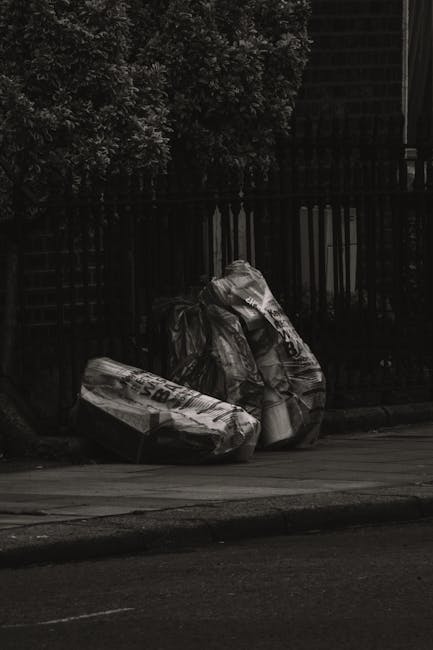
North West London council rules on fly tipping and rubbish: what residents and businesses need to know
If you live, work, rent, or run a property in North West London, the rules around fly tipping and rubbish can feel oddly simple at first and then suddenly very complicated. One bin left out too early, one builder's bag dumped on the pavement, one sofa abandoned near the kerb, and you can end up dealing with complaints, enforcement letters, or a bill you really did not want. The good news is that the basics are manageable once you know what councils expect, what counts as unlawful dumping, and how to get rid of waste the right way.
This guide explains North West London council rules on fly tipping and rubbish in plain English. You will see what usually counts as fly tipping, how local council enforcement tends to work, the practical steps to stay compliant, and how to choose a sensible removal option when you have more waste than a normal household bin can handle. Let's face it, rubbish is rarely anyone's favourite topic - but it becomes much easier once the rules are clear.
Why North West London council rules on fly tipping and rubbish matters
Fly tipping is more than an eyesore. In North West London, dumped rubbish can block pavements, attract vermin, create hazards for children and older residents, and spoil streets that people rely on every day. A single pile of waste outside a block of flats can quickly become a neighbourhood problem. You will often notice this most after a move, a refurbishment, or a weekend clear-out, when a few bags snowball into a bigger mess than expected.
Councils across the area treat waste seriously because they have to keep streets safe, accessible, and usable. That includes public land, shared forecourts, alleyways, and any place where waste has no lawful reason to sit. If something is left without proper permission or handover, the council may treat it as fly tipping even if the person leaving it thought it was harmless.
There is also a trust issue. When rubbish is dumped illegally, residents lose confidence in the area, businesses face complaints, and property managers spend time chasing problems they did not cause. In practical terms, staying on the right side of the rules is cheaper, cleaner, and less stressful. Simple as that.
Expert summary: If waste is not secured, not handed over to the right collector, or left where it should not be, councils may view it as unlawful dumping. The safest approach is always to keep a clear record of who took the waste, when it was removed, and where it went.
How North West London council rules on fly tipping and rubbish works
Most councils in North West London follow the same broad principles, even if the exact procedures differ slightly from one borough to another. The central idea is straightforward: household, garden, office, and builder's waste should be stored properly, presented in the correct way, and collected by the right service or taken to a lawful disposal point.
As a rule of thumb, councils expect waste to be placed out only when collection is due, in the correct container or approved format, and in a way that does not block the highway. Overflowing bags, loose debris, and items left beside bins can all become enforcement issues. Not always, but often enough to make it worth being careful.
If you are arranging a larger clear-out, many people use a professional rubbish removal or waste removal service rather than trying to improvise with multiple car journeys. That can be especially useful for bulky furniture, mixed waste, or heavy items such as broken wardrobes, old mattresses, and renovation rubble. Services such as rubbish removal, waste removal, and waste disposal exist precisely because council systems are not designed for every one-off clearance scenario.
For businesses, the rules are a bit stricter in practice because commercial waste must be handled with more care and clearer traceability. If you run a shop, office, or rental property, a documented collection arrangement is usually the sensible route. Many people also forget that certain waste types need special handling. Builder's waste, for example, is not the same as a black bag of household rubbish. It needs different treatment, and that is where a dedicated service like builders waste can be relevant.
Key benefits and practical advantages
Following local rubbish and fly tipping rules is not just about avoiding trouble. It has real practical benefits that show up quickly in day-to-day life.
- Lower risk of fines or enforcement action. Councils can pursue illegal dumping, and it is far better not to be in that conversation at all.
- Cleaner communal areas. Flats, shared entrances, and side alleys stay easier to manage when waste is dealt with promptly.
- Less chance of pest issues. Bags left out too long can attract gulls, foxes, rats, and general mess.
- Better relationships with neighbours or tenants. Nobody enjoys being the person whose pile of rubbish becomes the building problem.
- More predictable costs. A proper clearance plan is usually cheaper than dealing with the fallout from a complaint or removal notice.
There is also a less obvious benefit: time. Once you know the route, whether that means council collection, a skip, or a specialist service, you stop wasting evenings trying to work out where an old sofa is meant to go. That alone can be worth quite a lot.
For households clearing a room, a loft, or a garage, a structured service such as home clearance, garage clearance, or house clearance can be a much cleaner solution than leaving items outside and hoping for the best. For flats, flat clearance can be especially helpful where stairs, tight hallways, or shared access make self-disposal awkward.
Who this is for and when it makes sense
This guidance is for anyone in North West London who needs to dispose of waste without causing a problem. That includes homeowners, tenants, landlords, letting agents, shop owners, builders, office managers, and people handling a bereavement or a major clear-out. Really, if you have more rubbish than your normal weekly collection can cope with, you are in the right place.
It makes particular sense in these situations:
- you are moving house or clearing a property
- you have furniture, mattresses, or a sofa that will not fit in a bin
- you are doing a kitchen, bathroom, or garden project
- you are managing an office relocation or refurbishment
- you need to clear mixed waste quickly from a rental or managed building
- you want to avoid leaving anything on the pavement that could be treated as fly tipping
If you are dealing with bulky items, furniture disposal and sofa collection often become the pressure point. The item feels too big for the bin but too small to justify a full-scale project. That is exactly the sort of scenario where furniture disposal or sofa removal is easier than trying to sort it out piecemeal.
One useful way to think about it: if you would need to move waste more than once, or if you are unsure whether it belongs in the regular collection, pause and choose a proper disposal route instead. It saves hassle later. Usually.
Step-by-step guidance
If you want to stay within North West London council rules on fly tipping and rubbish, the safest process is fairly straightforward. Here is a practical way to handle it.
- Sort the waste first. Separate general rubbish, garden waste, wood, soil, plasterboard, furniture, and anything hazardous. Mixed piles create confusion and cost more to deal with.
- Check what your usual collection accepts. Council bin collections are fine for day-to-day household waste, but they are not a catch-all for bulky or unusual items.
- Keep waste on your property until it is ready to go. Do not place bags or items on the street early. That is one of the easiest ways to trigger complaints.
- Use the right collection route. For regular waste, a normal rubbish collection or waste collection may be enough. For larger or mixed loads, a one-off clearance is often cleaner.
- Arrange lawful disposal for bulky items. This matters most for old furniture, white goods, office equipment, and builders' debris.
- Get confirmation from the collector. A proper operator should be clear about what is being taken and how it is handled. No vague hand-waving.
- Keep a basic record. Even a receipt, invoice, or message thread can be useful if a question comes up later.
A small real-world example: a tenant clears out a room in a flat in Kilburn and leaves three bags in the communal entrance "just for an hour". Those bags sit there all day, get photographed by a neighbour, and suddenly it is not a simple tidy-up anymore. That kind of thing happens more often than people think. A lot more.
If you are clearing an office, commercial premises, or stockroom, it is wise to use a service that understands business waste separately from household rubbish. A dedicated business waste approach is usually the cleanest option when the load is more than a casual domestic clear-out.
Expert tips for better results
After enough clearances, a few habits stand out. They are not dramatic, but they make life easier.
- Book before the pile grows. Waste is easier to manage when it is still contained. Once it spreads into several rooms or spills into the garden, everything gets slower.
- Use photos to plan the job. A quick set of pictures helps decide whether the waste is general rubbish, furniture, garden waste, or builders' material.
- Label anything reusable. If some items could be donated, resold, or kept separate, mark them before the team arrives. Saves confusion.
- Think about access. Narrow stairs, parking restrictions, and shared hallways can affect timing and cost. London rarely makes access easy. Not shocking, really.
- Ask what happens to mixed loads. Good waste handlers should be able to explain the process in simple terms, especially where different waste streams are involved.
For garden jobs, it also helps to separate green waste from pots, soil, old fencing, and broken tools. A service like garden clearance can make that much tidier than trying to load everything into one indiscriminate pile.
One more thing: if you are arranging a clearance in a busy residential street, choose a time that avoids school runs, refuse days, and peak parking pressure. The difference is small on paper, but very noticeable on the kerb. And yes, your neighbours will notice too.
Common mistakes to avoid
The biggest problems usually come from ordinary oversights rather than deliberate bad behaviour. That is the frustrating part. People simply assume the waste will sort itself out.
- Leaving waste beside a bin. Councils often treat this as dumped rubbish, not extra household waste.
- Assuming someone else will move it. If an item is left in a shared area without a clear arrangement, it can become the resident's or landlord's headache.
- Mixing hazardous and non-hazardous waste. Paint, chemicals, batteries, and similar materials need special care.
- Using a collector without checking what they remove. If the service is not set up for the type of waste you have, you may still be stuck.
- Dumping builder's rubble with household rubbish. That is one of the quickest ways to create both cost and compliance issues.
- Forgetting business responsibilities. Offices and shops need organised disposal, not ad hoc bin juggling.
There is also a subtle mistake many people make: they assume that because waste is "only temporary" it does not matter. Councils often take a different view. If it is on public land, visible, and not authorised, it can still count as a problem. Temporary can become expensive very quickly.
Tools, resources and recommendations
You do not need fancy equipment to manage rubbish properly, but a few basic tools help.
- Heavy-duty bags or sacks for clean, dry rubbish
- Gloves and sturdy shoes when moving sharp or awkward items
- Labels or marker pens for sorting keeps, donate, recycle, and remove
- A tape measure for checking bulky items before collection
- Phone photos for planning and record-keeping
For larger jobs, the most useful resource is often a service that can manage multiple waste types in one go. That may include rubbish clearance, waste clearance, or a more tailored rubbish removal solution depending on the property and volume involved.
If you are unsure where to start, the safest recommendation is simple: sort first, keep waste contained, and use a lawful collector rather than trying to make the street do the job of a storage area. That sounds obvious, but it solves most of the mess before it starts.
Law, compliance and best practice
In the UK, the basic expectation is that waste is stored, moved, and disposed of responsibly. Councils enforce local byelaws and environmental rules, and fly tipping is generally treated as illegal dumping. Exact penalties and procedures can vary by borough, so it is sensible to treat local guidance carefully rather than assuming one council works exactly like another.
For households, compliance usually means using the correct bins, presenting waste on the correct day, and not leaving rubbish in public places. For landlords and businesses, the standard is higher because you may have more waste, more turnover, and more people involved. Keep records, use reputable collectors, and avoid informal arrangements that cannot be traced later.
Best practice is less about legal theory and more about habit:
- store waste securely on private property where possible
- do not let waste spill into communal or public spaces
- use a service that can handle the specific waste type
- separate recyclable, reusable, and non-recyclable items
- keep evidence of disposal when the job is larger than everyday household waste
There is also a practical duty of care angle. If you give waste to the wrong person, or you cannot show where it went, you may find yourself explaining a lot more than you expected. That is one reason reputable collection and disposal arrangements matter so much. It is not just about tidiness; it is about traceability.
Options, methods, or comparison table
Here is a simple comparison of common rubbish-handling methods in North West London. The best choice depends on the amount of waste, the type of waste, and how quickly you need it gone.
| Method | Best for | Strengths | Limitations |
|---|---|---|---|
| Council regular collection | Everyday household rubbish | Simple, familiar, usually low effort | Not suitable for bulky loads or mixed clear-outs |
| Private rubbish collection | One-off household or mixed waste | Flexible and convenient | Needs a trustworthy operator and proper handling |
| Specialist waste clearance | Large, awkward, or category-specific waste | Good for furniture, builders' waste, and full-property jobs | Can require more planning than a simple bin collection |
| DIY transport to disposal | Small loads you can legally move yourself | Feels direct, sometimes useful for minor jobs | Time-consuming, awkward for large items, easy to get wrong |
For many readers, the best answer is not the cheapest-looking one on paper but the one that keeps the property tidy, the neighbours calm, and the waste trail clear. That balance matters more than people think.
Case study or real-world example
Imagine a small landlord managing a two-bedroom flat in West Hampstead after tenants move out. The property needs a quick reset: a broken sofa, a wardrobe with missing doors, bags of mixed rubbish, and some leftover garden cuttings from the tenant's balcony planters. If the landlord leaves everything outside for convenience, the shared entrance starts looking untidy by lunchtime and the managing agent gets complaints before the day is over.
A better approach is to sort the items, separate the reusable pieces, and arrange a collection that can handle both bulky furniture and mixed waste. In that kind of job, a combination of flat clearance and furniture disposal is usually far more efficient than trying to move items in stages. If there is also office stock, paperwork, or equipment involved, the same planning logic applies to office clearance.
The outcome is pretty ordinary, which is exactly the point: the flat is cleared, the hallway stays accessible, and there is no awkward conversation about waste being left on common ground. Clean job. No drama. That is a win.
Practical checklist
Use this quick checklist before you put any waste out or book a collection.
- Have I separated household waste from furniture, garden waste, and builder's debris?
- Am I clear on what my council collection accepts and on which day?
- Is all waste still on my property, not on the pavement?
- Do I know whether the load needs a specialist service?
- Have I kept photos or a note of what is being removed?
- Is the collection route lawful and suitable for the type of waste?
- Have I thought about access, parking, and neighbours?
- Do I have a receipt or some proof of disposal?
If you can tick those boxes, you are already ahead of most avoidable fly tipping problems.
Get a free quote today and see how much you can save.
Conclusion
North West London council rules on fly tipping and rubbish are really about one thing: keeping waste controlled, traceable, and out of the wrong places. Once you understand that basic principle, the rest becomes much more manageable. Store waste properly, use the right collection route, and avoid leaving anything on public land unless it is explicitly meant to be there.
For everyday rubbish, council collections may be enough. For bigger clear-outs, bulky items, garden waste, business rubbish, or builders' debris, a specialist service is often the cleaner and calmer option. That does not have to be complicated. In fact, the right plan is usually the simplest one. And if you have ever stood in a hallway looking at a sofa that definitely will not fit down the stairs, you already know why.
Take the time to do it properly, and the whole thing gets easier. A tidy street, a tidy property, and a clear conscience - not a bad result for something as ordinary as rubbish.
Frequently Asked Questions
What counts as fly tipping in North West London?
Fly tipping usually means leaving waste in a place where it is not authorised to be, such as a pavement, alley, verge, shared entrance, or other public or communal area. Even a small pile can count if it has been dumped rather than collected properly.
Can I leave rubbish next to a communal bin if it will be collected soon?
Usually no. Councils often treat waste placed beside bins as dumped rubbish rather than accepted collection waste. If the item does not fit in the bin or is not part of the normal collection, it is safer to arrange a proper removal.
What should I do with an old sofa or mattress?
Bulky furniture normally needs a separate disposal route. A service such as sofa removal or furniture disposal is often the most practical answer, especially in flats or buildings with tight access.
Are builders' materials handled differently from household rubbish?
Yes. Builders' waste usually needs different handling from domestic rubbish because it can include rubble, timber, plasterboard, and mixed debris. A dedicated builders waste service is usually more suitable than regular bin collection.
Do I need proof that my waste was collected legally?
For larger clear-outs and especially for business waste, proof is a very good idea. A receipt, invoice, or written confirmation helps show that the waste was handed over responsibly.
What happens if someone fly tips rubbish outside my property?
Report it to the relevant council as soon as possible and keep notes or photos if you have them. If you are a landlord or managing agent, it may also help to review access, cameras, and waste storage arrangements.
Is council collection always the cheapest option?
Not necessarily. Regular council collection can be economical for everyday waste, but once you have bulky items, mixed loads, or a lot of waste at once, a dedicated clearance may actually save time and reduce hassle.
Can businesses use the same rubbish arrangements as households?
Usually not in the same way. Business premises tend to need clearer waste arrangements and better record-keeping. Commercial waste is best kept separate from household rubbish to avoid confusion and compliance problems.
What is the safest way to avoid a fly tipping complaint in a flat block?
Keep waste inside the property or in the correct storage area until collection day, use the right service for bulky items, and avoid leaving anything in corridors, entrances, or on the street. Those shared spaces cause most of the headaches.
Can garden waste go with general rubbish?
Sometimes small amounts can, but larger garden loads are better handled separately. Branches, soil, turf, and old fencing are usually easier to manage through a garden clearance service than through standard household bins.
What if I am not sure which disposal option is right?
If the waste is mixed, heavy, bulky, or awkward to move, it is usually best to choose a flexible waste removal or rubbish clearance option. When in doubt, sort the load first and keep it on your property until you know the right route.
Why do councils care so much about rubbish left out early?
Because early placement can look like dumping, create mess, block access, and attract further rubbish. One item left out too soon can quickly become a larger problem, especially in busy parts of North West London.
Is there a difference between waste clearance and waste disposal?
Yes, in practical terms. Clearance is the act of removing the items from the property, while disposal refers to how those items are handled afterwards. A good service should cover both clearly, so you know the waste is dealt with properly.