Real cost of council bulky waste collection North West London
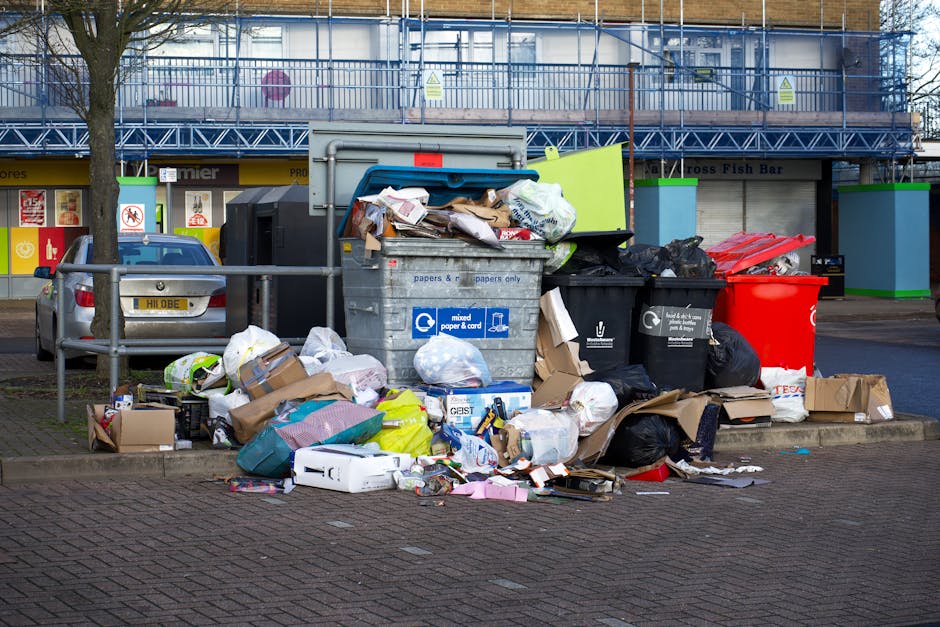
If you are trying to work out the real cost of council bulky waste collection North West London, you are probably weighing up more than a simple fee. There is the booking process, the waiting time, the number of items allowed, the hassle of getting things outside, and the awkward moment when a council collection turns out not to be as straightforward as expected. Truth be told, that is where many people get caught out.
This guide breaks the topic down in plain English. You will see how council bulky waste collections usually work in North West London, what affects the final price, where hidden costs can creep in, and when a private alternative may actually save time and stress. If you are clearing a sofa, a mattress, a wardrobe, or a mixed pile of unwanted items, this should help you make a sensible choice rather than a rushed one.
- Why the real cost matters
- How council bulky waste collection works
- Key benefits and practical advantages
- Who this is for and when it makes sense
- Step-by-step guidance
- Expert tips for better results
- Common mistakes to avoid
- Tools, resources and recommendations
- Law, compliance, standards, or best practice
- Options, methods, or comparison table
- Case study or real-world example
- Practical checklist
- Conclusion
- Frequently asked questions
Why Real cost of council bulky waste collection North West London Matters
On the surface, a council bulky waste booking sounds like the cheapest and neatest way to get rid of large household items. In some cases it is. But the real cost is not only the price on the booking page. It also includes your time, the number of items the council classifies as bulky, the effort of moving everything to a collection point, and the risk of paying again if the item list changes. That is the bit people often forget.
In North West London, where homes range from compact flats to larger family houses, bulky waste builds up quickly. A broken three-seater sofa, a chipped table, a mattress that has seen better days, and a garage full of odds and ends can turn into a weekend project before you know it. If you live in a flat above street level, or in a busy road where access is tight, the practical cost can rise even when the council fee looks modest.
Why does this matter? Because the cheapest option on paper is not always the cheapest option in reality. If you need the waste gone urgently, if the item is awkward to move, or if you have more than a few pieces, a different service may be better value overall. For mixed clearances, many residents also look at broader services such as rubbish removal or waste clearance when a council bulky pickup feels too limited for the job.
Key takeaway: the true cost is not just the collection fee. It is the fee plus your time, access issues, waiting time, item limits, and the chance of needing a second booking. That is where the decision becomes real.
How Real cost of council bulky waste collection North West London Works
Most councils in North West London handle bulky waste collections in a fairly similar way, even if the exact pricing, item limits, and booking rules differ. You normally book a slot, list the items, pay the fee if one applies, and place the items at the agreed collection point by the required time. Simple enough in theory. In practice, the details matter.
The service is generally designed for household items that are too large for normal wheelie-bin collection. That usually includes furniture, mattresses, white goods in some cases, and other large domestic items. Councils often charge per item, per booking, or by a set number of items. Some local authorities also make a distinction between single items and grouped items, which can affect the final amount. Slightly annoying, yes, but important.
Here is the part that surprises people. A low council fee may still be offset by logistics. If you cannot get a heavy item to the front of the property without help, you may need a friend, a porter, or extra time. If the collection window is several days away, you may be storing a bulky mattress in a hallway, which is not ideal. And if your item is not accepted because it includes the wrong materials, the booking may not be refunded. So the real cost is often a mix of money, time, and inconvenience.
For homeowners and landlords dealing with bigger clear-outs, it can be worth comparing bulky collection with other options such as house clearance, home clearance, or even flat clearance if access is tight and the contents are being removed from a smaller property.
One more practical note: council services are often ideal for a single item or two. Once the pile starts growing, the system can feel clunky. That is not a criticism, just a reality of how public collection services are usually structured.
Key Benefits and Practical Advantages
To be fair, council bulky waste collection does have real advantages. It is familiar, predictable, and often the first place people look when they want a lawful disposal route. For some situations, it is exactly the right solution.
- Budget-friendly for a small number of items: if you only need one bulky item removed, council pricing can be attractive.
- Simple decision-making: you do not need to compare several trades or sort through complex offers.
- Suitable for basic domestic items: furniture, beds, and other large household belongings are often the main use case.
- Good for planned clear-outs: if you are not in a rush, booking ahead can work well.
- Helpful for residents who prefer a public service: some people simply feel more comfortable using the local authority route.
That said, value is personal. If you are replacing a sofa and a dining set in one go, the council route may become less attractive. If you need a quick turnaround before builders arrive, or you have a whole room to clear, a private service can be more practical. For example, customers often compare council bulky waste with a dedicated furniture disposal service or a broader rubbish clearance option when there are multiple item types.
There is also the less obvious benefit of peace of mind. If you have ever tried dragging a wardrobe through a narrow hallway at 7:30 on a wet Tuesday morning, you will know the feeling. Not exactly glamorous. Sometimes convenience is the real value, even if the cash price is a little higher.
Who This Is For and When It Makes Sense
Council bulky waste collection makes sense for people with one-off disposal needs and enough time to wait for the appointment. It suits residents who can move the items outside without much help and who only have standard domestic bulky waste. It is often the sensible first option for a single mattress, an old chair, or a broken cabinet.
It can also suit landlords and tenants at the end of a tenancy when just a couple of oversized items are left behind. If you are emptying a garage or doing a larger refresh, though, the council route may start to feel restrictive. In those cases, services such as garage clearance or waste removal may be the more practical fit.
It is worth asking yourself a few honest questions:
- Do I only have one or two bulky items?
- Can I get them to the required collection point safely?
- Am I comfortable waiting for the council slot?
- Would I need extra help to move anything heavy?
- Is this part of a bigger clearance that might make a private service better value?
If the answer to any of those is "not really", then the real cost starts to shift. A slightly higher service price can still be the smarter purchase if it saves a half-day of lifting, planning, and faffing about.
Step-by-Step Guidance
If you want to compare the real cost properly, take it step by step. This keeps you from booking too quickly and discovering later that the option was not as suitable as it first looked.
- List every item
Write down exactly what needs removing. Be specific. A sofa is not the same as a sofa with metal legs, broken drawers, and loose cushions piled beside it. The more precise you are, the better the quote or booking process will be. - Check what the council accepts
Look at whether your item is standard bulky waste or something more specialised. Some items may be treated differently, especially if they are electrical, construction-related, or heavily contaminated. - Measure access
Think about stairs, parking, lift access, and whether the item can be carried by one person or needs two. In a top-floor flat, this can be the difference between a quick job and a long, awkward one. - Compare waiting time
How soon do you need the waste gone? If it must be removed before delivery day, a council booking that takes too long may not work. - Add up the real effort
Include your own time, any help you need, and the physical strain. A cheap collection is not cheap if it eats up your whole morning and a backache follows. - Compare against a full-service alternative
Get a sense of whether a dedicated clearance or collection service would handle the load in one visit. Sometimes a private collection is better for mixed waste, larger furniture, or same-day needs.
If you are dealing with mixed household waste, a tailored service such as waste collection or waste disposal can be easier to plan around than a basic bulky item slot. The key is matching the service to the actual mess, not the ideal version of it.
Expert Tips for Better Results
From experience, the people who get the best value are the ones who prepare properly. Not obsessively. Just properly.
- Bundle similar items together: if the council prices by item or set, grouping related things can sometimes improve value.
- Clear a path before collection day: this saves time and avoids last-minute stress, especially in narrow hallways.
- Photograph the items: useful if you later need to confirm what was booked, especially for mixed furniture disposal.
- Check for hidden extras: stairs, heavy lifting, parking restrictions, and extra items can all affect the final spend.
- Book a realistic slot: if you are not ready, do not rush the process. A missed or incomplete booking can create more hassle.
Here is a practical one. If you have a sofa, a footstool, and a broken side table, it may look like a tiny job. But if the sofa is heavy and the stairwell is tight, the actual workload is much bigger. That is why many people explore dedicated sofa removal when the item is bulky enough to be a nuisance but not part of a whole house clearance.
Another tip: do not assume the cheapest collection is the best deal. A slightly higher quote that includes lifting, loading, and responsible disposal can be better value than paying less and doing half the job yourself. Sometimes the cheapest thing is the thing you never want to repeat.
Common Mistakes to Avoid
A lot of waste-disposal problems are avoidable. The same errors appear again and again, and they tend to make the real cost rise for no good reason.
- Underestimating item size: what looks manageable in the living room can become awkward in a doorway.
- Booking before checking access: if the item cannot be moved out, the collection may fail or need rescheduling.
- Mixing bulky waste with restricted waste: builder's waste, certain electricals, and some hazardous materials are often treated separately.
- Forgetting about timing: if the collection is too far away, you may end up storing clutter longer than planned.
- Ignoring parking and loading issues: this matters more in busy parts of North West London than people expect.
- Choosing the wrong service type: a simple bulky collection is not always suitable for a larger property or a full room of items.
A good example is a kitchen refit. People sometimes try to push all waste through a bulky collection route, then realise too late that the load contains materials better suited to builders waste handling. That is where the plan starts to wobble.
And yes, it is easy to get caught out. Everybody thinks "it's only a couple of items" right up until the second mattress appears from nowhere. Funny how that happens.
Tools, Resources and Recommendations
You do not need complicated tools to make a sensible decision, but a few simple resources help a lot. Start with a tape measure, a phone camera, and a written list of items. Those three things solve more problems than most people realise.
Useful things to prepare:
- A room-by-room list: especially helpful if the bulky waste is part of a larger declutter.
- Photos of the items: useful for getting an accurate sense of size and condition.
- Measurements: width, depth, and height matter for sofas, wardrobes, and large beds.
- Access notes: stairs, lifts, basement entrances, and parking limits should all be written down.
- Decision notes: jot down whether speed, cost, or convenience matters most.
If the job extends beyond bulky items into general clutter, a broader rubbish collection or waste clearance route may be more efficient. For office or commercial settings, the right fit is usually different again, which is why office clearance and business waste exist as separate services.
My recommendation is simple: compare like with like. Do not compare a council fee for one item with a private quote for a full load of mixed items and assume one is automatically better. Look at what is actually included. That is where the answer sits.
Law, Compliance, Standards, or Best Practice
When dealing with bulky waste in the UK, the safest approach is to use an authorised disposal route and avoid handing waste to anyone who cannot demonstrate proper handling. You do not need to become a legal expert to make a good choice, but you do need to be careful. Waste must be managed responsibly, and householders still have a duty to use sensible, legitimate services.
Best practice usually means:
- only booking a collection that genuinely accepts the type of item you have;
- keeping items separate if they may need different handling;
- not leaving waste where it could block pavements, entrances, or shared access;
- using a service that makes clear what will happen to the items after collection;
- checking terms carefully before paying, especially if the booking is non-refundable.
This matters even more in shared buildings, estates, and basement flats. If waste is dumped in a communal area, it can create neighbour issues fast. Nobody wants that smell of old damp fabric hanging in the corridor on a warm afternoon. Not lovely.
If you are unsure whether a bulky item is suitable for a council collection, ask before you book. That single step can prevent wasted money, missed slots, and a lot of frustration later.
Options, Methods, or Comparison Table
The right choice usually depends on quantity, urgency, access, and how much effort you want to spend. Here is a straightforward comparison to help you judge the real cost more accurately.
| Option | Best for | Main cost factor | Potential downside |
|---|---|---|---|
| Council bulky waste collection | One or two standard household bulky items | Set fee, item count, waiting time | Limited flexibility, access prep required |
| Dedicated furniture disposal | Sofas, beds, wardrobes, mixed furniture | Removal effort, item volume, access | May cost more for a single item |
| Full rubbish removal | Mixed household waste or larger clear-outs | Load size and labour | Can be overkill for one small item |
| House or flat clearance | Moving out, probate, end-of-tenancy, major declutter | Scope of contents, access, time on site | Not cost-effective for a tiny job |
If you are dealing with an entire property or several rooms, services like house clearance and flat clearance often become the better comparison point. If it is mostly one stubborn sofa and a mattress, then a more focused disposal route may be enough.
The table above is not about saying one option is always best. It is about spotting where the true spend lands once effort and timing are included.
Case Study or Real-World Example
Here is a typical North West London scenario. A renter in a first-floor flat in Kilburn has a worn two-seater sofa, a broken coffee table, and an old mattress to clear before the next tenancy starts. The council collection fee looks manageable, but the items need carrying down a narrow staircase, and the collection slot is not as soon as hoped. On paper, the fee is fine. In reality, the tenant would need help, time off work, and a bit of patience.
When they compare the options properly, they realise the bigger issue is not the headline cost. It is the logistics. The sofa is awkward. The mattress is fine but bulky. The table is light but clumsy. If they choose a council collection, they still need a plan for getting everything outside and storing it until pickup. If they choose a private collection, the team can remove all three items in one visit, which means less disruption and less stress.
That is the real lesson. The cheapest fee did not tell the full story. Once the practical side was included, the better value option was the one that saved a trip, a lifted shoulder, and a bit of mental energy. And honestly, moving furniture through a shared stairwell is rarely as fun as people imagine. Rarely.
For situations like this, some residents also look at sofa removal or a broader rubbish clearance service because they want the whole job handled at once rather than piece by piece.
Practical Checklist
Use this before you book anything. It keeps the decision grounded and stops the process getting messy.
- Have I listed every bulky item that needs removing?
- Do I know whether the council accepts each item type?
- Can I move the items to the collection point safely?
- Is the collection date soon enough for my schedule?
- Have I checked whether the fee is per item, per booking, or by load?
- Will I need help carrying anything downstairs or through communal areas?
- Would a broader service be better value for a mixed or larger clearance?
- Have I measured larger items so I know exactly what I am dealing with?
- Do I understand the booking terms and whether changes are allowed?
- Have I compared the price against the time and effort I will save?
If you can answer those questions calmly, you are already ahead of the game. That little bit of planning usually saves money somewhere along the line.
Get a free quote today and see how much you can save.
Conclusion
The real cost of council bulky waste collection North West London is never just the booking fee. It is the fee plus the practical realities: access, lifting, waiting, item limits, and whether you are dealing with one item or a much bigger clear-out. For small, simple jobs, the council route can be a sensible choice. For anything more awkward, urgent, or mixed, a private alternative may actually be the better value.
The smartest approach is to compare the full picture, not just the sticker price. Think about what you need removed, how quickly it has to go, and how much effort you want to spend getting it done. That is usually where the answer becomes clear.
If you take one thing from this guide, let it be this: the cheapest option is not always the cheapest outcome. Choose the one that gives you the cleanest, easiest result. Life is busy enough already.
Frequently Asked Questions
How much does council bulky waste collection usually cost in North West London?
The cost varies by council and by how many items you want collected. Some charge per item, others use booking-based pricing, and a few apply different rates for certain types of bulky waste. The real cost also includes your time and effort.
Is council bulky waste collection cheaper than a private rubbish removal service?
For one or two simple items, the council route is often cheaper. But once you factor in access issues, waiting time, or multiple items, a private service can sometimes be better value overall.
What counts as bulky waste?
Bulky waste usually means large household items that do not fit in normal bin collections, such as sofas, mattresses, tables, wardrobes, and similar furniture. Not every item is accepted, so it is worth checking before booking.
Can I put a sofa out for council collection by myself?
Sometimes yes, but only if you can safely move it to the collection point and the council accepts that item. In many flats or narrow hallways, moving a sofa can be the hardest part of the job.
How long does council bulky waste collection take to arrange?
It depends on the local authority and available slots. In busy areas of North West London, the wait can be longer than people hope. If speed matters, a private collection may be easier.
Are mattresses accepted by council bulky waste collections?
Often yes, but not always under the same rules as furniture. Some councils treat mattresses differently, so it is best to confirm before booking. A mattress can look simple and then turn into an admin headache. Funny how that works.
What if I have more than a couple of bulky items?
If you have several items, the council option may stop being cost-effective or convenient. At that point, a larger service such as house clearance, flat clearance, or waste removal may suit you better.
Can I mix garden waste or builders waste with bulky household items?
Usually not in the same council bulky waste booking. Different waste streams can be handled differently, and builders waste in particular often needs its own route.
What are the most common reasons council collections go wrong?
The biggest issues are booking the wrong item type, leaving items in the wrong place, underestimating access problems, and not realising the service has item limits. These are easy mistakes, but they can make the final cost go up.
Is a private clearance better for flats and upper-floor properties?
Often, yes. If stairs, lifts, tight corridors, or parking restrictions make removal awkward, a private clearance can be more practical because it usually includes the labour involved.
Do I need to be present for bulky waste collection?
Sometimes not, but it depends on how the local service works and whether the items can be left in a permitted spot. If you are unsure, arrange things so there is no confusion on the day.
How do I know whether I should choose council collection or a removal service?
Use the size of the job as your guide. If it is one or two simple items and you are not in a rush, council collection can make sense. If the job involves multiple rooms, awkward access, or urgent timing, a dedicated removal or clearance service is often the better choice.
What is the smartest way to compare prices?
Compare the total outcome, not just the price. Look at item limits, waiting time, lifting effort, access, and whether the service handles everything in one go. That is the only comparison that really tells the truth.
Can bulky waste be left on the street for collection?
Only if the council instructs you to do so and the placement is allowed. Leaving waste out without permission can create problems, especially in busy streets or shared areas. Better to confirm first and avoid the headache.