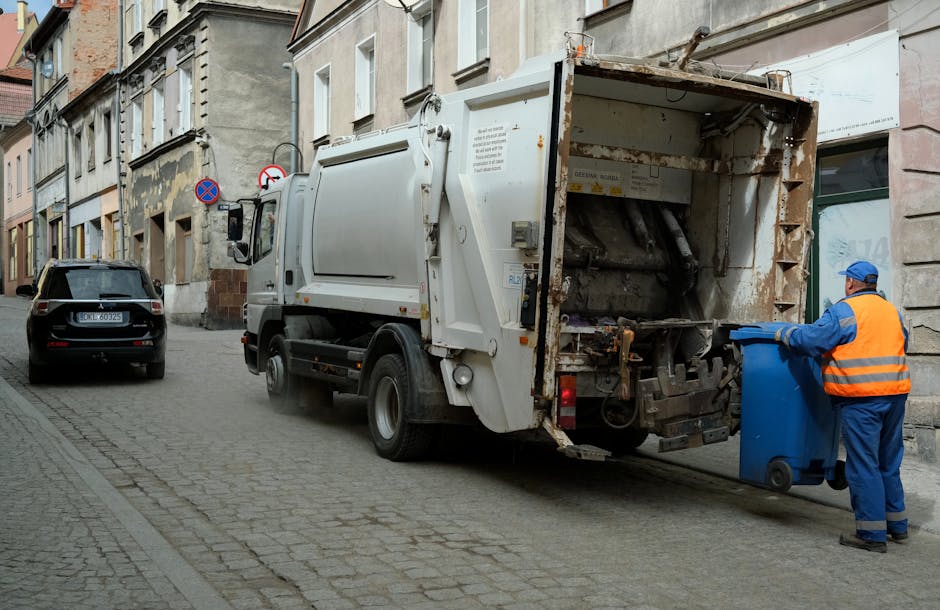
Same day rubbish removal delays and problems North West London

If you have booked same day rubbish removal in North West London, you probably want one thing: the rubbish gone, today, without drama. Fair enough. But the reality can be a bit messier than the promise on the phone. Traffic snarls, parking restrictions, access issues, misjudged load sizes, and last-minute changes can all turn a quick clearance into a frustrating wait.
This guide breaks down the real causes of same day rubbish removal delays and problems North West London residents and businesses run into, plus how to avoid the common traps. You will also find practical steps, a comparison table, a checklist, and a realistic example so you can make a calm decision even when time is tight. If you are comparing clearance options, it may also help to look at related services such as rubbish removal, rubbish clearance, and broader waste removal support.
Let's face it, when rubbish is blocking a hallway, a shop stockroom, or a front garden on a rainy afternoon, delays feel bigger than they are. The good news is that most problems can be prevented with a little preparation and the right expectations.
Why Same day rubbish removal delays and problems North West London Matters
Same day service sounds simple, but in North West London the logistics can be surprisingly fragile. Busy roads, controlled parking zones, narrow streets, flats with awkward stairwells, and tight collection windows all create friction. One small issue can push a collection back by an hour or more. Sometimes it is not the crew at all; it is the neighbourhood.
For households, delays can leave rubbish sitting in a hallway, driveway, or communal area longer than planned. That is inconvenient, but it can also create odours, pest risks, and neighbour complaints. In flats and converted buildings, even a short delay can become a shared problem very quickly. If you are dealing with a larger property move or an inherited home, services like house clearance or home clearance often need tighter planning than people expect.
For businesses, the stakes are different but just as real. A delayed clearance can mean stock is blocked, a back office is untidy, or builders and cleaners are waiting around doing nothing. Time gets expensive fast. And in hospitality, retail, or office settings, clutter on display is not just a nuisance; it affects how the place feels to customers and staff. Nobody wants to step over broken furniture at 8:45 on a weekday morning.
There is also the trust factor. A company that gives vague arrival windows, fails to confirm access, or turns up without the right team can make a simple job feel chaotic. So when people search for same day rubbish removal delays and problems North West London, they are usually trying to avoid exactly that sort of headache.
Expert summary: The biggest same day removal problems are rarely about "removal" itself. They are usually about access, timing, load accuracy, parking, and communication. Get those right and most jobs become far smoother.
How Same day rubbish removal delays and problems North West London Works
The same day process usually begins with a quick enquiry, then a rough description of the waste, location, and urgency. A good operator will ask practical questions: What needs removing? How much is there? Can a vehicle park close by? Is there stair access? Are there bulky items, mixed waste, or builder's rubble? That information matters more than people think.
From there, the job is scheduled into the day's route. In North West London, routing can change several times before the crew even arrives because earlier jobs run long, parking is unavailable, or access details were incomplete. That is why an "afternoon slot" often works better than a sharply defined minute-by-minute promise. To be fair, the road network and parking situation do not care about your ideal schedule.
On arrival, the crew usually checks the load, confirms the price or scope, and then begins the lift-and-clear process. If the waste is exactly as described, things move quickly. If there is more than expected, if the refuse is mixed with items needing separate handling, or if the team cannot reach the property easily, delays start there and then.
For specific types of waste, the details matter. For example, renovation debris may need builders waste handling, while an old three-piece suite or mattress might be better treated as furniture disposal or sofa removal. Matching the load to the right service can reduce friction and avoid awkward surprises on the day.
A same day collection is really a chain of small promises. If any one of them slips, the schedule can wobble. That is the real story.
Key Benefits and Practical Advantages
When it goes well, same day rubbish removal is genuinely useful. The biggest benefit is obvious: speed. You get space back quickly, which is valuable if you are moving out, preparing a property for viewing, clearing up after trades, or simply trying to stop clutter from taking over your day.
There is also a mental benefit. A room full of unwanted stuff can feel heavier than it looks. Once it is gone, people often say the property feels quieter, lighter, less stressful. That sounds a bit sentimental, but anyone who has lived through a flat clearance with boxes, broken chairs, and a half-dismantled wardrobe knows exactly what I mean.
Other practical advantages include:
- Less time waiting around for multiple appointments
- Reduced disruption for tenants, landlords, and neighbours
- Lower chance of waste building up in shared spaces
- Better support for urgent property sales, end-of-tenancy work, or office resets
- A cleaner start point for decorating, repairs, or deep cleaning
Same day service also helps when timing is awkward. Maybe the council collection is not due soon enough, or maybe you are finishing a job before the weekend and need a fast reset. In those moments, a well-run waste collection or rubbish collection can be the difference between a smooth day and a messy one.
Who This Is For and When It Makes Sense
Same day rubbish removal is not for every job. But it is a good fit for a lot of real-world situations.
- Homeowners clearing clutter before a move or renovation
- Tenants preparing for an end-of-tenancy inspection
- Landlords dealing with left-behind items after a checkout
- Estate agents needing a property to look presentable fast
- Builders or decorators with leftover debris that cannot wait
- Office managers who need old desks, chairs, or files removed promptly
- Small businesses recovering floor space after stock rotation or refurbishment
It also makes sense when the waste is creating a practical problem right now. A blocked passageway, a garage you cannot access, or a front garden full of bags is not something you always want to leave for another day. In those cases, services like garage clearance or garden clearance can be especially helpful.
If your waste is tied to a specific property type, choosing the right service matters. A compact flat in Kilburn is not the same as a terraced house in Cricklewood, and a small office in Camden is not the same as a family home in Hendon. The access and the pace are different. Very different, actually.
Step-by-Step Guidance
If you want the smoothest possible same day collection, do not leave the process to chance. A little structure goes a long way.
- Identify exactly what needs removing. Separate general rubbish, bulky items, builder's debris, and anything that might need special handling.
- Take a quick look at access. Is there parking nearby? Are there stairs, narrow hallways, basement steps, or lift restrictions?
- Estimate the volume honestly. A "few bags" can turn into a van load if you have not checked carefully.
- Describe the job clearly. Mention anything heavy, awkward, damp, sharp, or likely to need two people.
- Ask for arrival expectations. Same day does not always mean exact minute timing. Ask for a realistic window.
- Prepare the collection route. Move small items together, unlock gates if needed, and keep the path as clear as possible.
- Stay reachable. One missed call can create a delay that would have been avoidable.
- Confirm what is included. Know whether labour, loading, disposal, and congestion-related issues are part of the plan.
If you are arranging a larger clear-out, it can help to break the job into categories. For example, office furniture, house items, and mixed waste may each be handled better separately. That is why people often compare office clearance, flat clearance, and house clearance rather than treating everything as one generic task.
A small tip from real-world practice: if you are sending photos, make sure they show scale. A picture of a pile of bags in a dim hallway at 7 a.m. tells a story, but not always the right one. Add a chair or a door frame for reference. It helps. A lot.
Expert Tips for Better Results
The best same day jobs are usually the ones that are prepared like next-day jobs. That sounds backwards, but it is true.
Tip one: be precise about the waste type. Mixed waste can be fine, but it may affect the vehicle, staffing, or disposal route. A load of broken timber, plaster, and bagged rubbish is not the same as a stack of old wardrobes and a mattress.
Tip two: keep access simple. If a vehicle cannot park safely or the crew has to haul items a long way, the job takes longer. That is just reality. North West London streets can be tight, and that matters more in the afternoon than people realise.
Tip three: build in a cushion. If you need the space cleared before a cleaner arrives at 2 p.m., ask for collection earlier than that. Relying on a narrow turnaround is where stress starts creeping in.
Tip four: use the right service for the right job. If the rubbish includes renovation leftovers, check whether builders waste support is more appropriate than a general collection. If the task involves clearing a whole property, it may be better framed as home clearance or waste clearance.
Tip five: ask how delays are handled. Good operators should be able to explain what happens if traffic, access, or load volume changes during the day. That conversation is not awkward; it is smart. Truth be told, it saves everyone a headache.
Common Mistakes to Avoid
Most avoidable delays come from a short list of mistakes. Here are the ones worth watching.
- Underestimating the amount of waste. It happens all the time. A "small tidy-up" becomes several bulky items and ten extra bags.
- Not mentioning stairs or access problems. A basement flat, a top-floor conversion, or a locked courtyard can change the whole plan.
- Forgetting parking realities. In North West London, parking can be the hidden culprit behind a delayed arrival.
- Mixing different waste streams without warning. Garden waste, office items, and builders' debris may each need different handling.
- Assuming same day means instant. It means fast, not magical. There is still route planning and disposal to manage.
- Leaving the property until the last minute. If the crew arrives before you have sorted what stays and what goes, the job slows down.
A lot of people also make the mistake of choosing a collection based on price alone. Cheap looks tidy on paper. Then the hidden problems show up: waiting time, limited staffing, poor communication, or a refusal to take awkward items. That is how "saved money" becomes lost time.
Tools, Resources and Recommendations
You do not need a toolkit the size of a builder's van. But a few simple things make a big difference.
- Phone photos to show the waste before booking
- Simple tape measure for bulky items or tight doorways
- Sticky notes or labels if you are separating keep and remove piles
- Bin bags or stacking boxes for smaller mixed rubbish
- Access instructions written clearly for porters, tenants, or staff
For property-specific jobs, choosing a service that fits the setting is usually the smartest move. A sofa that needs shifting from an upstairs lounge may suit sofa removal, while an old garage full of random clutter may be better handled as garage clearance. The more accurately the job is described, the fewer delays you are likely to face.
If you are managing a business, keep a short internal note of what was removed, what remained, and who authorised the work. It sounds boring. It is boring. But boring paperwork prevents annoying follow-up conversations later.
Law, Compliance, Standards, or Best Practice
Rubbish removal in the UK sits within a set of practical and legal expectations, even when the job is small. You do not need to become a compliance expert to book a collection, but you should know the basics.
As a rule of thumb, waste should be handled by people who are set up to transport and dispose of it properly. You should also be cautious about fly-tipping risks, especially if a quote sounds suspiciously cheap or the provider is vague about disposal. Good practice usually includes proper sorting, safe loading, responsible disposal, and clear communication about what will be taken.
For households, landlords, and businesses alike, keeping records of what was removed can be useful. That may be a simple note, photos before and after, or an invoice. In commercial settings, especially offices and rented premises, clarity matters even more because several people may be involved in the decision.
If your waste includes electrical items, sharp materials, heavy builder's debris, or anything potentially hazardous, mention it early. Do not assume it is obvious. It rarely is. And if you are dealing with business-related waste, the right approach may be different from a domestic collection, which is why services such as business waste and office clearance exist as separate options.
Best practice is simple: be honest, be specific, and choose a service that can actually do the job safely. That is the quiet foundation underneath a smooth same day collection.
Options, Methods, or Comparison Table
Not every urgent clear-out needs the same response. Here is a simple comparison to help you choose the right route.
| Option | Best for | Typical strengths | Possible drawbacks |
|---|---|---|---|
| Same day rubbish removal | Urgent, mixed, or bulky waste that must go quickly | Fast turnaround, less disruption, one visit | Can be affected by traffic, access, or booking accuracy |
| Scheduled waste collection | Jobs that can wait until later | More time to plan, often smoother logistics | Not ideal if the waste is causing an immediate issue |
| Dedicated clearance service | Whole rooms, flats, offices, or larger property clean-outs | Better for bigger volumes and structured removals | May be more than you need for a small load |
| Specialist item removal | Single bulky items such as a sofa or large furniture | Clear scope, simple pricing, less confusion | Not suitable for mixed or very large clear-outs |
The right option depends on what is actually on site, not what you wish was on site. If the job is a single bulky item, specialist support can be neat and efficient. If the property has been fully lived in for years, broader services like waste disposal or waste removal may be more suitable.
Case Study or Real-World Example
Here is a realistic example, based on the kind of situation people face all the time in North West London.
A landlord in Kilburn needed a one-bedroom flat cleared the same day after a tenant moved out unexpectedly. The list sounded straightforward at first: a sofa, two wardrobes, some bags, broken shelving, and a pile of loose household waste. But when the crew arrived, the access was tighter than expected, the lift had been booked by another resident, and a rear parking space had been taken by a delivery van. Nothing catastrophic. Just a lot of small friction.
Because the client had sent photos and been honest about the bulk items, the crew arrived with the right vehicle and enough labour. Still, the collection ran later than hoped. The solution was not complicated: part of the load was staged near the entrance, the flat was kept clear of small items, and the landlord stayed available by phone. The job finished the same afternoon, but not without a few crossed wires at the start.
The lesson? Most delays are manageable if the job details are clear early. The bigger problem is usually uncertainty. Once everyone can see what is happening, the day gets easier. Almost boring, even. Which, in rubbish removal, is a good thing.
Practical Checklist
Use this quick checklist before booking same day rubbish removal in North West London:
- List exactly what needs to go
- Separate bulky items from loose rubbish
- Check parking access near the property
- Note stairs, lifts, gates, or narrow entrances
- Take clear photos in good light
- Measure large furniture if needed
- Confirm whether the waste is domestic or business-related
- Ask what happens if the load is larger than expected
- Prepare the route from the property to the vehicle
- Keep your phone close for arrival updates
- Make sure anything staying behind is clearly marked
- Build in a time buffer if cleaners, decorators, or movers are coming next
If you are dealing with a larger or mixed property project, it may also help to explore flat clearance or house clearance options instead of forcing everything into a rushed same day slot.
Get a free quote today and see how much you can save.
Conclusion
Same day rubbish removal delays and problems North West London residents run into are usually caused by ordinary things: traffic, parking, access, load size, and mixed expectations. None of that is glamorous. But it is manageable.
If you want the smoothest result, focus on clarity before speed. Be specific about the waste, honest about access, and realistic about timing. That alone solves a surprising amount of stress. And when the job is the right fit, same day removal can be exactly what you need: quick, clean, and out of the way before the day gets away from you.
Whether you are clearing a flat in Camden, a family home in Hampstead, or a workspace in Marylebone, the same basic rule applies. Good preparation turns a rushed job into a decent one. Sometimes even a very good one. And that, frankly, makes the whole day easier.
Frequently Asked Questions
Why do same day rubbish removal jobs get delayed in North West London?
Delays usually happen because of traffic, parking restrictions, poor access, or a load that turns out bigger than described. In North West London, tight streets and busy routes can make scheduling more sensitive than people expect.
How can I reduce the chance of a delay?
Send clear photos, describe the waste accurately, mention stairs or parking issues, and keep your phone on. A little preparation saves a surprising amount of time.
Is same day rubbish removal more expensive than a booked collection?
It can be, depending on urgency, timing, and the size or complexity of the job. That said, the value often comes from avoiding repeat visits or extra disruption.
What if the waste is bigger than I said?
The crew may need to adjust the vehicle, labour, or price if the load is significantly larger. It is always better to mention uncertainty early rather than hope it goes unnoticed. It won't.
Can bulky furniture be taken on the same day?
Yes, in many cases. Large items such as sofas, wardrobes, and tables are often removed as part of a same day collection, especially if access is straightforward.
Do I need to sort items before collection?
Not always, but sorting keep items from waste items helps a lot. If everything is mixed together, the crew may need extra time to identify what is going and what is staying.
What kind of properties cause the most access problems?
Top-floor flats, basement homes, narrow terraces, and buildings with limited parking tend to be the trickiest. Shared entrances can also slow things down if other residents are using the space.
Are same day collections suitable for businesses?
Yes. Offices, shops, and workspaces often use urgent collections when space is blocked or a refurbishment is underway. Services like business waste and office clearance are often relevant here.
What should I do if the crew is running late?
Stay reachable and ask for a realistic update. Sometimes a delay is unavoidable, but clear communication makes it easier to adjust cleaners, movers, or staff around the new time.
Can builders' rubble and renovation waste be removed same day?
Often yes, provided it is described properly in advance. Loads involving debris, plasterboard, timber, or mixed renovation waste may need a more specific plan, so mention it early.
How do I know whether to choose rubbish removal or a full clearance service?
If it is a small, urgent load, rubbish removal may be enough. If you are clearing rooms, flats, garages, or whole properties, a broader clearance service is usually a better fit.
Is it a problem if I live in a busy area like Camden or Kilburn?
Not necessarily, but busy areas often need better timing and clearer parking plans. That is especially true if access is restricted or other vehicles block the approach.
What is the best way to avoid misunderstandings on the day?
Be specific before the booking is confirmed. Describe the waste, show photos, confirm access, and ask what happens if the job changes. Simple, but effective.
What if I only have one or two bulky items?
Then a focused service like sofa removal or furniture disposal may be the cleanest option. It keeps the job simple and can reduce the chance of delay.